Understanding Window Mullions and Their Significance
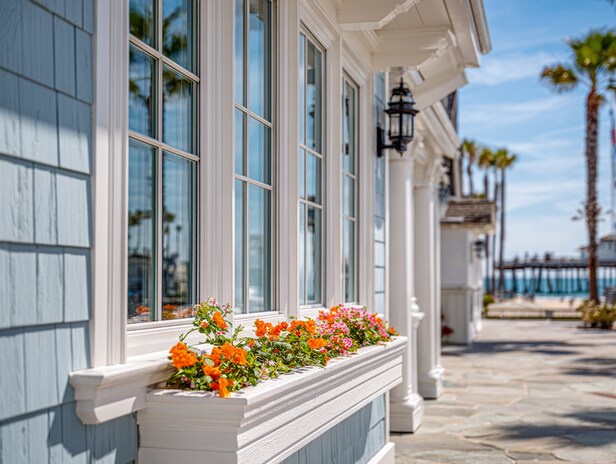
Window mullions serve as vertical elements separating adjacent window units. They not only provide essential structural support for Huntington Beach, CA windows, but they also significantly impact the overall aesthetic of a home.
Historically, mullions have evolved from their origins in Gothic and Renaissance architecture where they supported large glazed church windows into modern design applications. Today, mullions transfer wind loads and the weight of glazing materials into the structural framework of buildings, continuing a legacy of balancing functionality with visual appeal.
The Historical Journey of Mullions
In the Gothic and early Renaissance periods, mullions crafted from stone provided the necessary support for the subdivided glass panels in medieval architectures like cathedrals. Stone transitioned to metal and wood in later centuries, reflecting both advancements in material technology and shifts in aesthetic preferences. Mullions during this time were equally as important for their load bearing abilities as for their aesthetic contributions.
 Functional Advantages Beyond Style
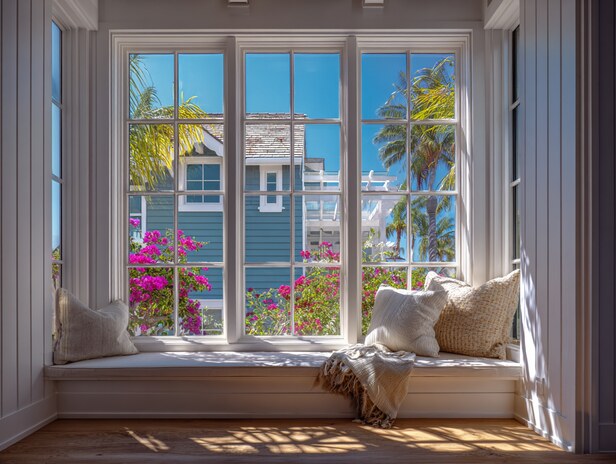
Mullions stabilize large window installations and help disperse the physical stresses induced by wind and weight, making them indispensable in contemporary architecture. They also add to energy efficiency by ensuring airtight seals in operable sashes, minimizing heat loss. These components are pivotal in expansive designs like curtain walls, where they bear the loads from transoms and glazing.
Differentiating Mullions, Muntins, and Transoms
While mullions are essential in separating whole window units, muntins are the thinner bars that divide individual glass panes and do not bear loads. Transoms, positioned horizontally above doors or windows, often complement the placement of mullions but serve distinct purposes such as improving ventilation or light entry.
Influencing Home Aesthetics
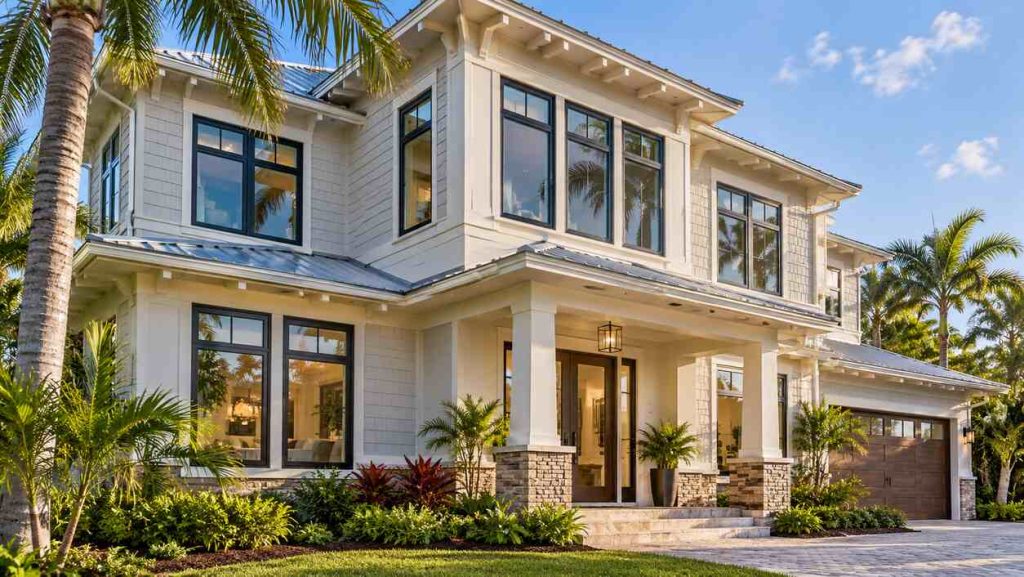
Window mullions shape home aesthetics by affecting the proportions and character of a building’s exterior. The choice of skinny versus wide profiles, materials like wood or aluminum, and finishes impacts a home’s style from historic restorations with traditional mullions to modern builds featuring sleek metal alternatives.
Material choice dictates the overall vibe. Wood contributes to a warm, traditional look, while metals like aluminum provide sharp, modern visual edges. This versatility allows homeowners to express personal style through elements like decorative grilles or specific patterns that add character.
Types and Design Objectives
Traditional mullions have ornate, molded designs typical of Gothic and Renaissance styles, while modern ones focus on minimalism and transparency. Flying mullions offer the flexibility of maintaining aesthetics without compromising functionality, disappearing from view when windows are opened.
Practical considerations inform mullion selection. For instance, insulated profiles help manage energy costs effectively, especially across different climatic conditions. Evaluating frame compatibility is key during replacements to ensure structural integrity and design coherence.
Contemporary Use in Homes
In contemporary residences, mullions are vital in the design of curtain walls or expansive picture windows. They marry aesthetic and structural needs in seamlessly integrated home elements like bi fold or sliding units. Innovations, such as UV protective coatings on mullions, promise durability without diminishing aesthetics.
Mancino Door & Window, Inc. specializes in crafting mullion designs that enhance home aesthetics by thoughtfully dividing spaces while preserving architectural integrity. This focus on Huntington Beach, CA windows and other regions underscores their expertise in fine tuning home curb appeal through well chosen window details. Remember, window mullions shape home aesthetics profoundly, merging form, function, and era specific charm in every installation.